Sell the feeling before the box
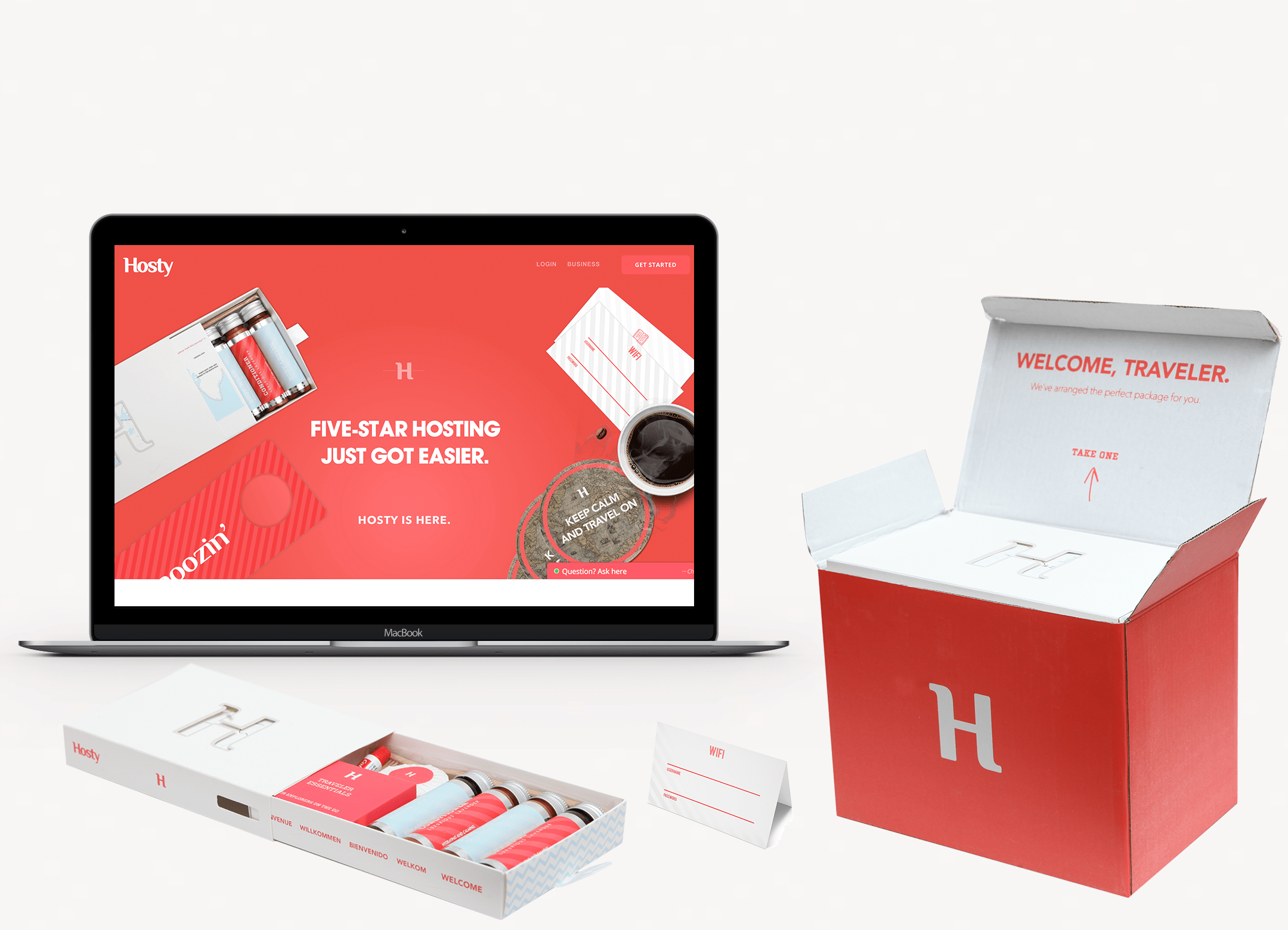
The landing page explains the guest experience and host value before asking for an order.
Founder · BRAND · LAUNCH · 2017 – 2020
A warmer arrival through welcome kits and hospitality tools
Problem
Vacation rentals often left the arrival experience improvised. Hosts needed a repeatable way to welcome guests without losing a personal, local touch.
Approach
Connect online customization to destination-specific kits. Maps, Wi-Fi cards, toiletries, and local stories help guests settle in and feel expected.
Outcome
Built the storefront, Welcome Set, and loyalty program. The offer later moved toward B2B sales and was featured on Design Milk.
Key decisions
The landing page explains the guest experience and host value before asking for an order.
Maps, language, colors, and packaging adapt one system to New York, Barcelona, and Airbnb hosts.
Pull tabs, inserts, toiletries, and instructions guide guests through the arrival.
A simple storefront tests the offer; the B2B direction supports repeat orders by hosts and property managers.
Live Demo
Website
Open01
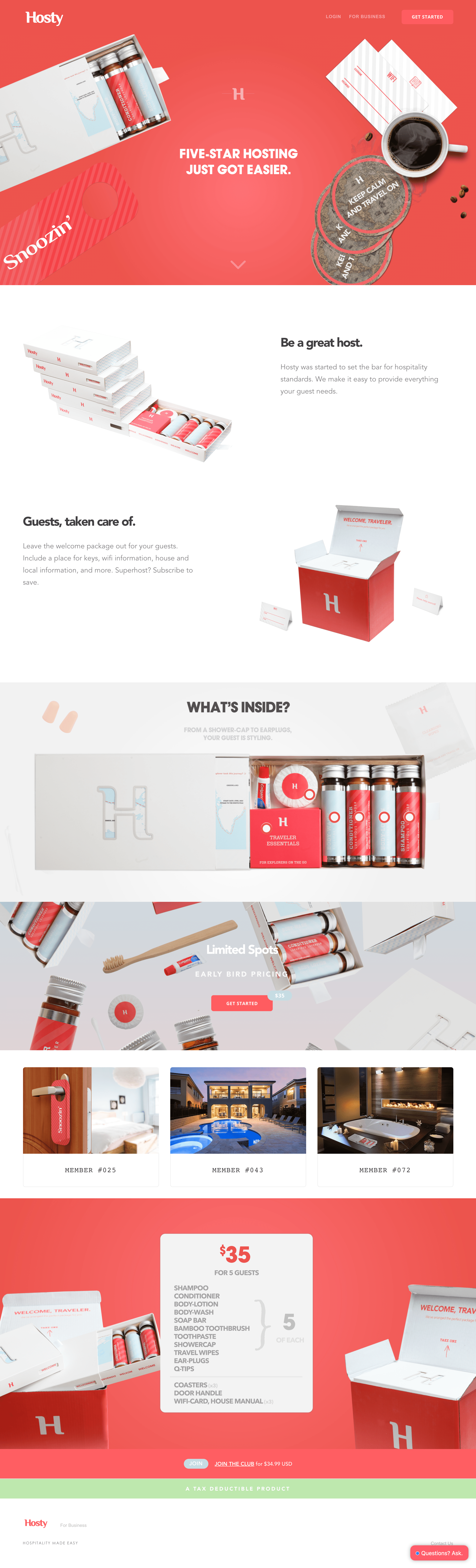
The website explains and sells the welcome; the physical kit delivers it.
02
Destination-specific packaging carries the online promise into the guest's arrival.
03
Local imagery gives New York and Airbnb-host kits distinct personalities within one recognizable system.
04
The unboxing sequence introduces essentials, maps, and Wi-Fi details in the order a guest needs them.
05
Warm language and unexpected details make the kit feel personal and useful.
06
The website makes the offer clear and gives hosts a direct path to order.
What carried forward
Hosty Club connected brand, commerce, packaging, and content before those pieces were usually treated as one product. The strongest work was not any single label or screen; it was the handoff between them.
The identity lived in the sequence of opening, reading, finding, and using - not only in the H mark.
A good physical object can orient, reassure, and create momentum with the same clarity as a digital flow.
The website did more than present the idea. It made the service understandable enough to buy.
The linked write-up preserves the original “sell me this box” framing behind the project: make the object earn its place in the experience.